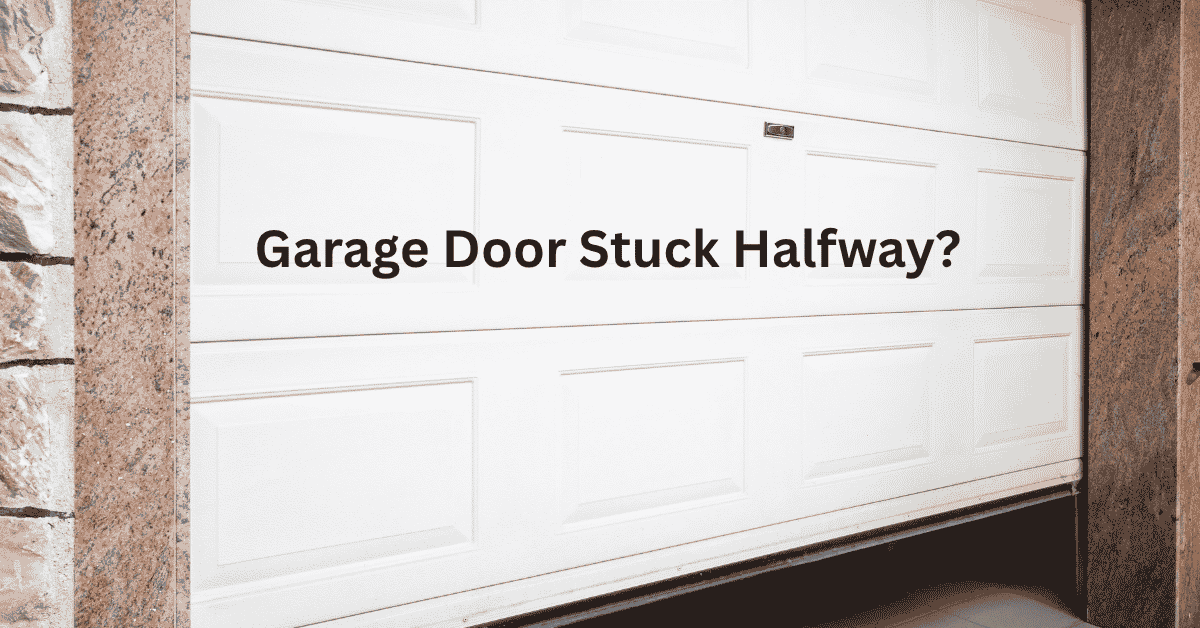
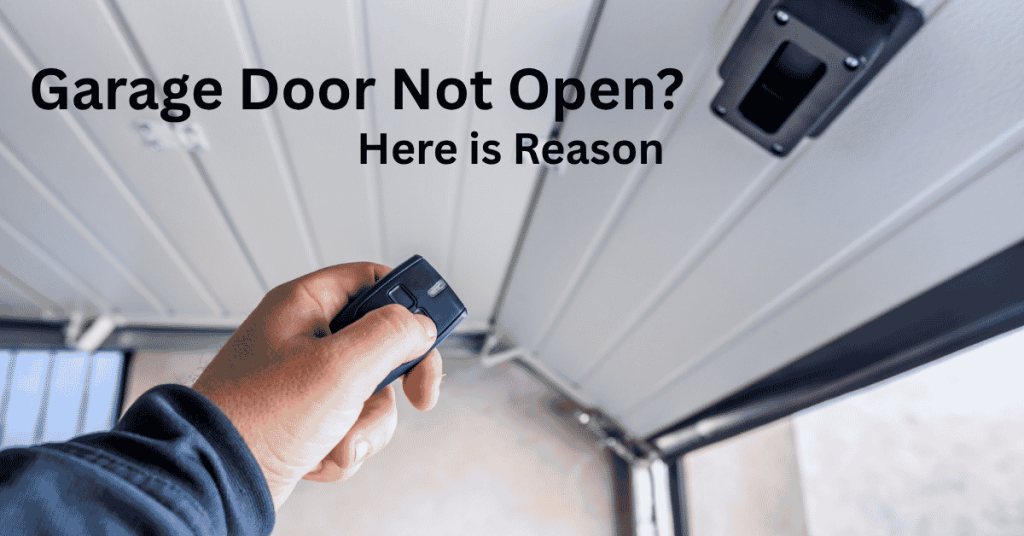
A garage door that stops before fully opening is almost always caused by one of these five things:
- A broken or fatigued torsion spring
- Misaligned or dirty photo eye sensors
- Incorrect travel limit settings on the opener
- Bent tracks or worn rollers
- A snapped or frayed cable
In Sunrise, FL specifically, the year-round humidity and salt air make these problems show up faster than they would in most other parts of the country. If your door is stopping midway right now, do not force it open. Forcing the door puts extra strain on your opener motor and can snap a cable or damage the drum assembly.
Keep reading. We will walk you through every cause, what it looks like, and exactly what to do about it.
What Is Actually Happening Inside Your Garage Door System
Before jumping into causes, it helps to understand the system you are dealing with. Your garage door is not just a door. It is a mechanical system with multiple interdependent parts and when one component fails, the others feel it immediately.
Here is a quick breakdown of the key players:
| Component | What It Does |
| Torsion Spring | Counterbalances the door’s weight (100 to 350 lbs) |
| Photo Eye Sensors | Detect obstructions and stop the door mid-travel |
| Cables | Connect the door to the spring drum and carry the load |
| Rollers | Glide the door along the tracks smoothly |
| Tracks | Guide the door from vertical to horizontal position |
| Opener / Trolley | The motor unit that drives the door movement |
When your door stops halfway, one of these six components is either failing, miscalibrated, or blocked. Let’s find which one. Garage door systems usually fail under load, which is why a door that only opens halfway should never be ignored for long. In many emergency service calls, technicians find that homeowners continued cycling the opener after the first warning signs, eventually turning a small issue into a snapped cable, burned-out motor, or full track failure. If the door suddenly stops moving, hangs unevenly, or makes a loud grinding noise, getting professional help quickly is often the safest option especially for situations that require fast-response emergency garage door repair Wichita services where spring or cable failures can leave the home completely inaccessible.
The 9 Real Reasons Your Garage Door Won’t Open All the Way
1. Broken Torsion Spring The Most Common Culprit
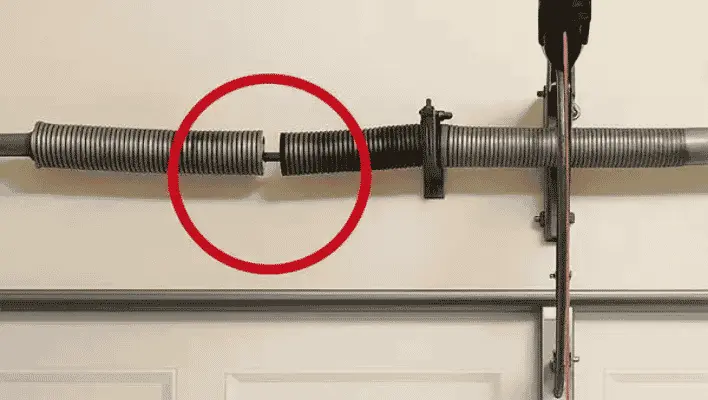
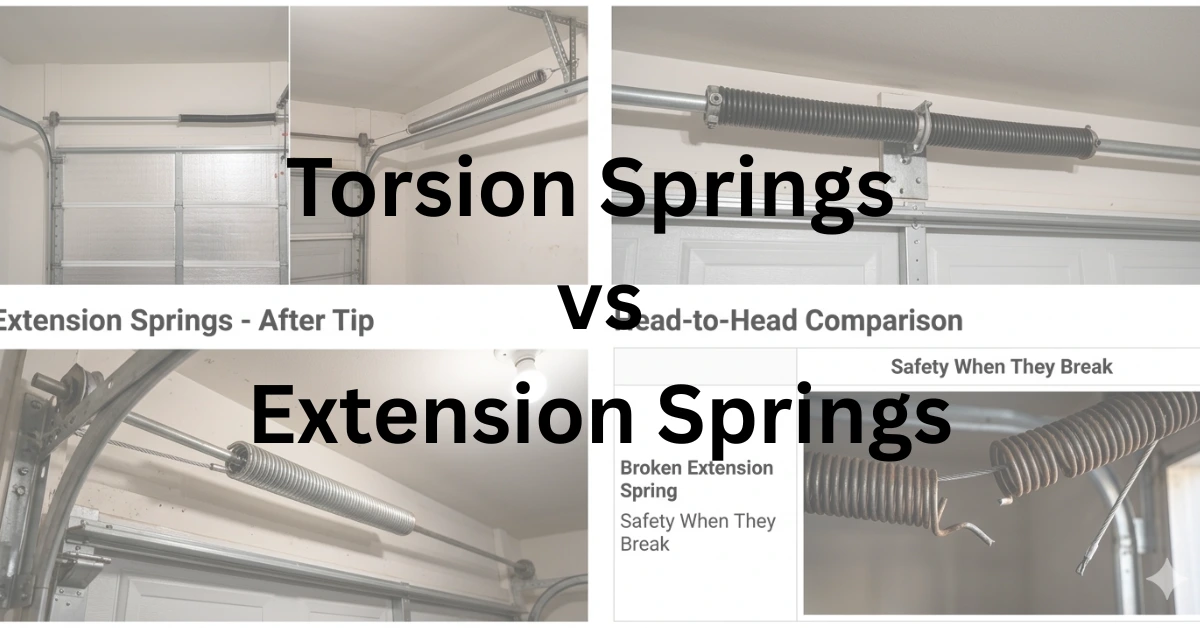
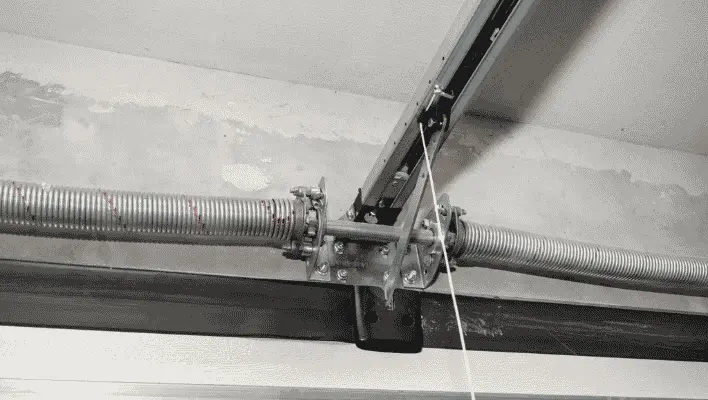
The torsion spring sits on a metal shaft directly above the garage door opening. It stores mechanical energy and releases it every time the door moves, counteracting the door’s full weight. Without it, your opener motor is trying to lift 200+ pounds on its own which it cannot do.
How to spot it:
- You hear a loud bang from the garage (the spring snapping)
- The door rises 6 to 12 inches and stops dead
- The door feels extremely heavy when you try to lift it manually
- You can see a visible gap in the spring coil when you look above the door
Pro Warning: Do NOT attempt to replace a torsion spring yourself. The spring is wound under hundreds of pounds of tension. An improper release can cause the bar to whip violently and cause serious injury. This is a job for a licensed garage door technician in Broward County, every single time.
Sunrise FL Local Tip: In South Florida’s humidity and salt air, torsion springs corrode faster than their rated lifespan assumes. A spring rated for 10,000 cycles in a dry climate may show stress fractures at 6,000 to 7,000 cycles in Sunrise. If your spring is more than 5 years old and your door is acting up, the spring is the first thing to inspect.
2. Misaligned or Dirty Photo Eye Sensors
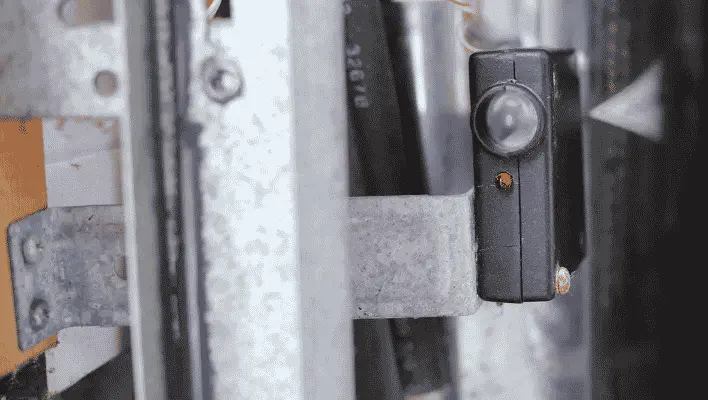
Every garage door opener made after 1993 is federally required to have photo eye sensors. They sit a few inches off the floor on both sides of the door and shoot an invisible infrared beam across the opening. If that beam is interrupted, the door stops or reverses.
The problem? These sensors are incredibly sensitive to:
- Dust, spider webs, and moisture on the lens
- Sunlight shining directly into the receiver (very common in South Florida’s afternoon light)
- A bumped bracket from lawn equipment or storage boxes
- Condensation shifting the sensor housing slightly over time
Quick self-check you can do right now:
- Look at both sensor housings near the floor
- The transmitter (usually green) and receiver (usually amber) should both show a solid, steady LED
- If either light is blinking or off, the beam is broken
- Wipe both lenses with a dry microfiber cloth
- Loosen the wing nut, gently reposition the sensor until the LED goes solid, retighten
If the lights go solid and the door works again, you just saved yourself a service call. If the lights stay off or keep blinking after repositioning, the sensor itself is damaged and needs replacement.
3. Travel Limit Settings Are Off on the Opener
Think of the travel limit as the opener’s built-in measuring tape. It tells the motor exactly how far to move the door before stopping. If this setting drifts after a power surge, a Florida thunderstorm, or a firmware update on a smart opener like LiftMaster’s myQ system, the door will stop short every time.
The key difference that tells you this is the cause:
The door stops at the exact same point every single cycle. Not randomly, not at different heights. The same spot, every time.
Expert Note: If the door stops at inconsistent heights each cycle, the problem is mechanical (springs, rollers, tracks), not the travel limit setting. The travel limit only causes a consistent, repeatable stopping point.
How to fix it: On most LiftMaster and Chamberlain units, there is a small adjustment dial on the side of the motor marked “Open Limit.” Turn it incrementally clockwise to extend travel. On Genie openers, the process involves the programming button. Check your owner’s manual for your exact model.
4. Worn or Damaged Rollers
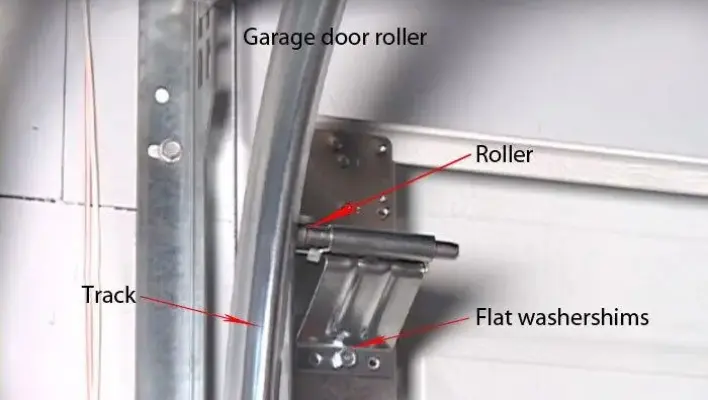
Rollers are the small wheels that carry your door along the tracks through every single cycle. Standard steel rollers are rated for around 10,000 cycles. Nylon rollers last longer and are a much better choice for Sunrise, FL because they resist the humidity corrosion that destroys steel rollers quickly.
Signs your rollers are the problem:
- Grinding or squealing sounds when the door moves
- The door wobbles or jerks during operation rather than gliding smoothly
- You can see cracked, chipped, or flat spots on the wheels when you look closely
Most roller replacements are manageable for a technician, but the bottom roller near the cable drum requires disconnecting the cable which puts dangerous spring tension into play. For a full roller replacement, call a professional.
5. Bent or Obstructed Tracks
The tracks guide your door from vertical (closed) around the curve and into horizontal (open) position overhead. Any damage to that path, a dent from a vehicle scraping the wall, a section that has pulled away from the mounting bracket, or debris packed inside the channel will cause the door to bind and stop.
Sunrise FL Local Tip: During South Florida’s extreme summer heat, metal tracks expand. Over years of thermal cycling in Broward County’s climate, mounting screws loosen and track sections drift slightly out of alignment. This is gradual, so homeowners often do not notice it until the door starts having problems.
- A minor track bend can sometimes be gently corrected with a rubber mallet and a wooden block
- A track that has completely separated from its wall or ceiling mount needs a professional
- Never operate the door with a seriously damaged track it can cause the door to jump off track entirely
6. Cable Problems
The cables run from the bottom bracket at each corner of the door up to the drum assembly on the torsion spring shaft. They work hand in hand with the spring to distribute the load evenly.
What a cable failure looks like:
- The door tilts or hangs unevenly to one side
- You see a loose cable coiled on the floor near the door
- One side of the door rises higher than the other
Stop Here: Cable repair is not a DIY job. The cables connect directly to the spring drum, which is under the same extreme tension as the torsion spring. Do not touch them. Call a garage door repair in Sunrise.
7. Opener Motor or Logic Board Failure
If you have ruled out springs, sensors, tracks, rollers, and cables, the problem may be inside the opener unit itself.
LiftMaster, Chamberlain, and Genie openers all use a logic board essentially a small computer to control every function of the motor. This board can fail independently of the motor.
How to tell if the logic board is the issue:
- The opener behaves erratically or differently each time
- LiftMaster blink codes are flashing on the motor unit (count the blinks and look them up in your manual each pattern signals a specific fault)
- The problem started right after a power surge or Florida thunderstorm
Power surges from South Florida’s frequent afternoon storms are one of the leading causes of logic board damage in Sunrise homes. If your opener started behaving strangely after a storm, a fried logic board is very likely.
8. The Manual Lock Is Engaged
This one is embarrassing when it happens, but it happens to a lot of people.
Most sectional garage doors have a manual slide lock in the center rail, a horizontal bar that slides into brackets on either side of the door to physically lock it. If someone locked it manually and then someone else tried to use the opener, the motor would pull against a fixed object, sense the resistance, and shut itself down.
Check this first before assuming anything mechanical is wrong. Look for a horizontal bar across the middle of the door panels. If it is slid into the locked position, disengage it and try the opener again.
9. Heat and Humidity Warping the Door Panels
This is a slow, gradual cause that is very specific to South Florida.
Wood garage doors and some composite panel doors absorb moisture during Sunrise’s rainy season (June through September) and can swell or warp. When panels swell, they create friction against the door frame or adjacent panels, causing the door to bind partway through its travel.
Steel and aluminum doors are more resistant but are not immune to storm debris dents and panel damage from impact can create the same binding effect.
If you can see visible bowing or warping in any panel, that deformation is likely causing the door to catch before reaching the fully open position.
Before You Call Anyone 5 Safe Checks to Do Right Now
You do not always need a technician for this. Run through this list first:
Check 1 Look at the photo eye sensors
Both LEDs should be solid. If either is blinking, clean the lens and realign the bracket.
Check 2 Look at the torsion spring above the door
Do you see a visible gap or break in the coil? If yes, stop using the door immediately and call a professional.
Check 3 Check the manual lock
Is the horizontal lock bar on the door in the locked position? Disengage it.
Check 4 Check the outlet
Is the opener plugged in? Is the outlet live? Check the circuit breaker and look for a tripped GFCI outlet nearby.
Check 5 Check the emergency release cord
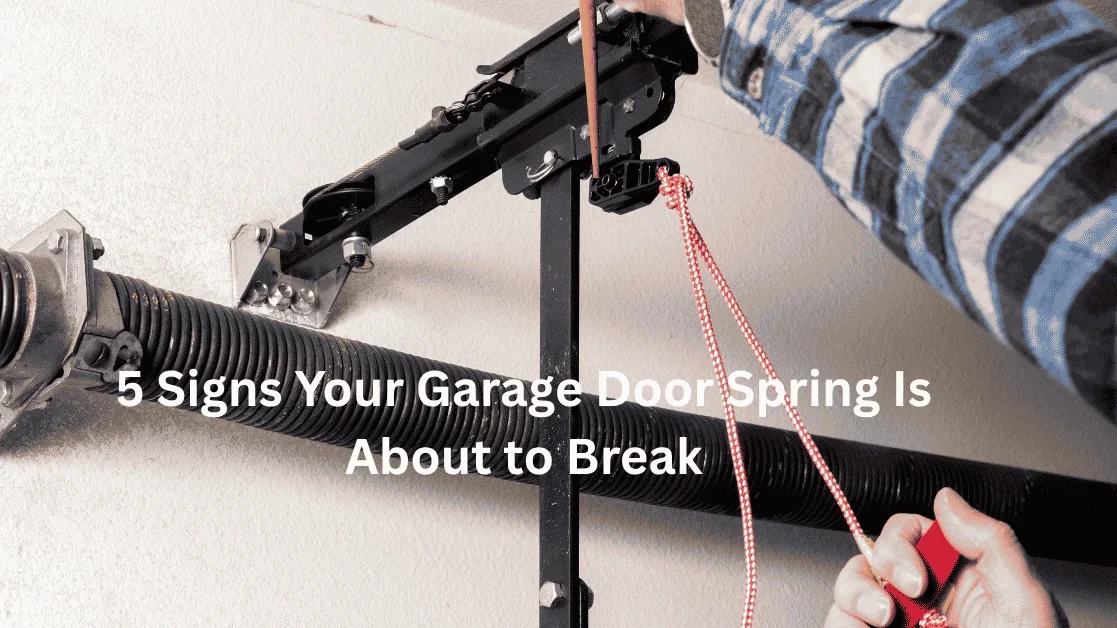
The red rope hanging from the trolley disconnects the door from the opener. If someone pulls it, the motor runs but the door does not move. Pull the cord firmly toward the motor unit until you hear a click to re-engage the carriage.
Stop Troubleshooting and Call a Pro If You See Any of These
Some situations are beyond safe DIY territory. Call a licensed garage door repair services immediately if:
- There is a visible gap or break in the torsion spring coil
- A cable is loose, coiled on the floor, or visibly frayed
- The door is hanging at an angle or has partially jumped off the track
- The opener is making a grinding noise, clicking repeatedly, or producing a burning smell
- The door does not stay in place when raised halfway by hand (this indicates a complete spring failure)
What It Will Cost to Fix in Sunrise, FL
Here is a realistic cost breakdown for Broward County in 2026:
| Repair Type | Estimated Cost |
| Sensor realignment or cleaning | $0 to $75 (often done during diagnostic visit) |
| Torsion spring replacement (per spring) | $150 to $350 |
| Full roller set replacement | $100 to $200 |
| Track repair or realignment | $125 to $250 |
| Opener logic board replacement | $150 to $300 |
| Full opener motor replacement | $250 to $500 |
Pro Tip: If one torsion spring breaks and you have a two-spring system, replace both at the same time. The second spring is approaching the same point of fatigue and will fail within months. Replacing both together saves you a second service call and a second labor charge.
Always ask for a written flat-rate estimate before authorizing any work, and confirm the company holds a valid Florida contractor license through the Department of Business and Professional Regulation.
Why This Problem Hits Sunrise, FL Homeowners Harder
This is not just a generic garage door article. South Florida is a uniquely harsh environment for mechanical systems.
Year-round usage: No cold winters mean no slowdown in cycles. A Broward County household averages five to eight door cycles per day, twelve months a year. Springs and rollers hit their cycle limits faster here than anywhere else in the US.
Humidity and corrosion: Salt air from the Atlantic Coast accelerates rust on spring coil metal, cable wires, and steel rollers. Components rated for ten years in Arizona may need replacement at five to six years in Sunrise.
Hurricane season exposure: A door with a compromised spring or damaged track is structurally vulnerable during wind events. Florida Building Code requires garage doors in Broward County to meet specific wind load ratings; a door with failing hardware may not hold up to tropical storm conditions.
Afternoon thunderstorms: Summer power surges from Florida’s frequent lightning storms are a leading cause of opener logic board failure and can also reset travel limit calibrations on smart openers.
Frequently Asked Questions
Why does my garage door open a few inches and then stop?
This is almost always a broken spring or a sensor issue. If the spring is intact and the sensors are clean and aligned, check the force sensitivity setting on your opener; it may be set too conservatively to complete full travel.
Can I use my garage door if the torsion spring is broken?
No. The door has no counterbalance and can drop rapidly if the opener disengages. You will also burn out your opener motor trying to lift the full weight of the door. Stop using it and call a technician.
How do I know if it is the travel limit versus a mechanical problem?
Travel limit issues cause the door to stop at the same point every single cycle. Mechanical problems like bad rollers or binding tracks cause inconsistent stopping at different heights each time.
Why does my garage door stop when it is very hot outside?
Metal tracks expand in high heat, creating extra friction around the rollers. The opener’s force sensor reads this resistance as an obstruction and stops the door. Regular lubrication with a silicone-based spray (not WD-40) on the rollers and tracks greatly reduces this problem during Sunrise’s summer months.
How often should I service my garage door in South Florida?
Twice a year is the recommended frequency for Broward County homes given the humidity, salt air, and year-round usage. Annual is the bare minimum. A professional tune-up includes spring tension adjustment, full hardware lubrication, track alignment inspection, and sensor calibration.
My door worked perfectly yesterday. Why did it just stop today?
Springs fail suddenly with no warning. A torsion spring that completes its last cycle looks and sounds completely normal right up until the moment it snaps. Sudden failure with zero prior symptoms is actually the norm, not the exception.
The Bottom Line
A garage door that stops before fully opening is never something to ignore. It may be as minor as a dirty sensor lens, a 30-second fix. Or it may be a broken torsion spring that requires a professional repair before the door is safe to operate at all.
The most important thing is to identify the cause correctly before doing anything else. Use the checks in this guide, match what you are seeing to the causes listed above, and you will know within a few minutes whether this is a DIY moment or a call to a garage door technician.